Gochujang Pasta: Spicy and Comforting Delight at Home
I first stumbled upon the idea for Gochujang Pasta during a late-night food adventure at a little Korean fusion restaurant in my neighborhood. The moment I took my first bite, I was hooked — the spicy kick of gochujang paired with the comforting embrace of pasta was a revelation. I knew I had to recreate that deliciousness at home because, let’s be honest, who can afford to eat out every night? Plus, I wanted to put my own spin on it, making it even more satisfying and cost-effective.
Let me tell you, perfecting this recipe was no walk in the park. I went through five different variations — yes, five! — each one a lesson in humility as I learned just how much gochujang can make or break a dish. My goal with each attempt was to strike that perfect balance between spicy and savory without overwhelming the pasta itself. Some batches were too fiery; others were just plain sad. But every misstep brought me closer to the dish that would make my taste buds sing!
And oh boy, was it worth the effort! The final version of my Gochujang Pasta is a harmonious blend of spice and umami that dances on your palate, with perfectly al dente pasta soaking up all those rich flavors. It’s creamy yet bold, with just the right amount of heat to keep things exciting. Trust me, you’re going to want to whip this up for your next weeknight dinner — it’ll quickly become your new favorite! Grab your apron and let’s get cooking!
These Gochujang Pasta are… the ultimate fusion of spice and comfort that will elevate your weeknight dinners!
1. They deliver a bold, spicy punch thanks to the rich gochujang. This Korean chili paste infuses the pasta with a unique heat and depth of flavor that traditional sauces simply can’t match, making every bite an exciting journey for your taste buds.
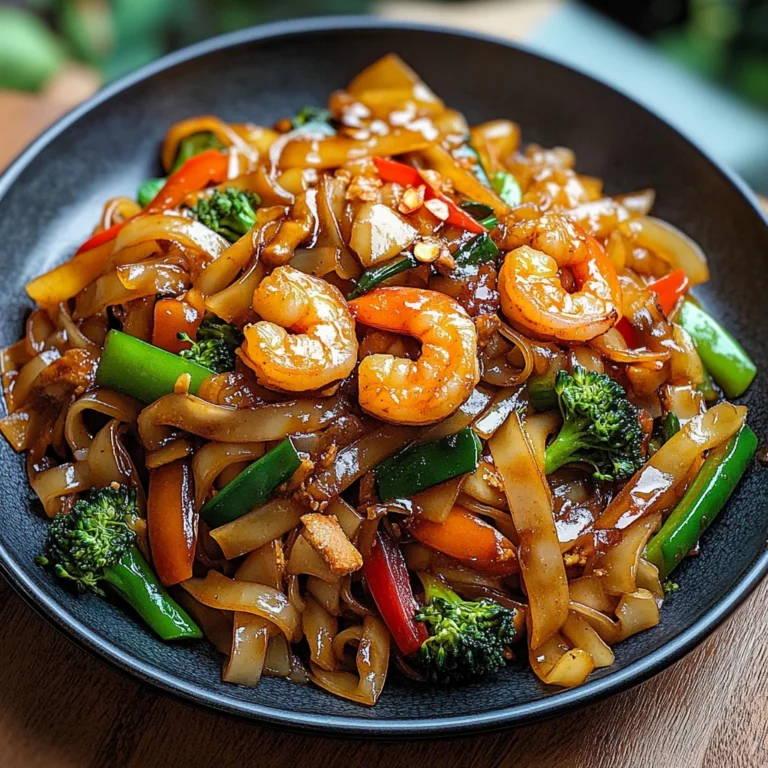
2. Perfectly tender texture – the spaghetti is cooked al dente, providing a delightful chew that contrasts beautifully with the crunch of fresh vegetables. The combination of broccoli, bell pepper, and carrots adds not just color but also varying textures that keep each forkful interesting.
3. Simple yet effective technique – by tossing the cooked pasta with the savory sauce and vibrant veggies in one pan, you create a harmonious blend of flavors while keeping cleanup minimal. This method ensures that every strand of spaghetti is coated and infused with all those delicious gochujang notes.
4. They offer incredible weeknight value – quick to prepare and full of accessible ingredients, this Gochujang Pasta is not only budget-friendly but also allows you to whip up an impressive meal in under 30 minutes. It’s perfect for those busy evenings when you want something homemade without breaking the bank.
PS This recipe serves 4 generously, making it ideal for family meals or leftovers for lunch!
Ingredients for the Gochujang Pasta
Each ingredient in this dish plays an essential role in flavor and texture. Here’s what you’ll need:
12 oz spaghetti (or any pasta of choice): The perfect base that holds the sauce beautifully.
3 tbsp gochujang (Korean chili paste): Provides a spicy, savory kick that defines the dish.
2 tbsp soy sauce (low sodium preferred): Enhances umami depth while balancing the heat.
1 tbsp sesame oil: Adds a nutty richness that complements the other flavors.
2 cloves garlic (minced): Infuses a warm, aromatic note into the sauce.
1 tbsp honey (or maple syrup for vegan option): Introduces a touch of sweetness to balance the spiciness.
1 tbsp rice vinegar: Brightens the dish with a subtle tanginess.
1 cup bell pepper (sliced): Contributes a crisp texture and a hint of sweetness.
1 cup broccoli (cut into florets): Adds vibrant color and a satisfying crunch.
1 cup carrots (julienned): Offers natural sweetness and a lovely chewiness.
2 tbsp green onions (sliced): Provides fresh brightness as a lively garnish.
1 tbsp sesame seeds (toasted): Adds a delightful crunch and nutty flavor as a finishing touch.
You MUST Cook the Pasta Al Dente! Trust Me!
I tried to skip this step once, thinking that cooking my spaghetti just a tad longer wouldn’t make a difference. Spoiler alert: I was wrong! The mushy pasta I ended up with was a sad excuse for dinner and left me questioning my life choices. So please, don’t make the same mistake I did; cook your pasta al dente for the best results.
Cooking the pasta al dente is crucial because it ensures the noodles have a firm texture that holds up against the spicy gochujang sauce. Think of it like your favorite pizza crust—nobody wants a soggy base! Al dente spaghetti not only offers a delightful bite but also better absorbs the sauce, creating a harmonious blend of flavors in every mouthful.
What does cooking pasta al dente do?
- Texture — Al dente pasta has that perfect bite, preventing it from becoming mushy and ensuring it provides a satisfying chew when you eat.
- Flavor absorption — Firm noodles hold onto sauces better than overcooked pasta, allowing each strand to be coated in that rich, spicy gochujang sauce.
- Nutrient retention — Cooking pasta al dente can help preserve some nutrients that may be lost when boiling for too long.
- Visual appeal — Properly cooked spaghetti has an appealing sheen and structure, making your Gochujang Pasta look more appetizing on the plate.
- Versatility — Al dente pasta pairs beautifully with stir-fried vegetables, giving you a contrast of textures that enhances the overall dish.
Different cooking times
- 6 minutes (great) — This is usually right on target for most spaghetti brands; you’ll get a perfect al dente texture ready to absorb all that scrumptious sauce!
- 8 minutes (acceptable) — A little softer but still decent; your pasta will work, but it won’t be as satisfying.
- 10 minutes (poor) — Definitely starting to lose its bite; expect mushiness creeping in and less flavor retention.
- 12 minutes or more (disaster) — It’s basically a noodle soup situation at this point. Your Gochujang Pasta will be sad and unappealing.
Now, listen closely—overcooking your pasta is the most common mistake I see! Don’t let those extra minutes fool you into thinking it’ll taste better; it won’t. Stick to al dente, and you’ll thank me later!
How to make Gochujang Pasta
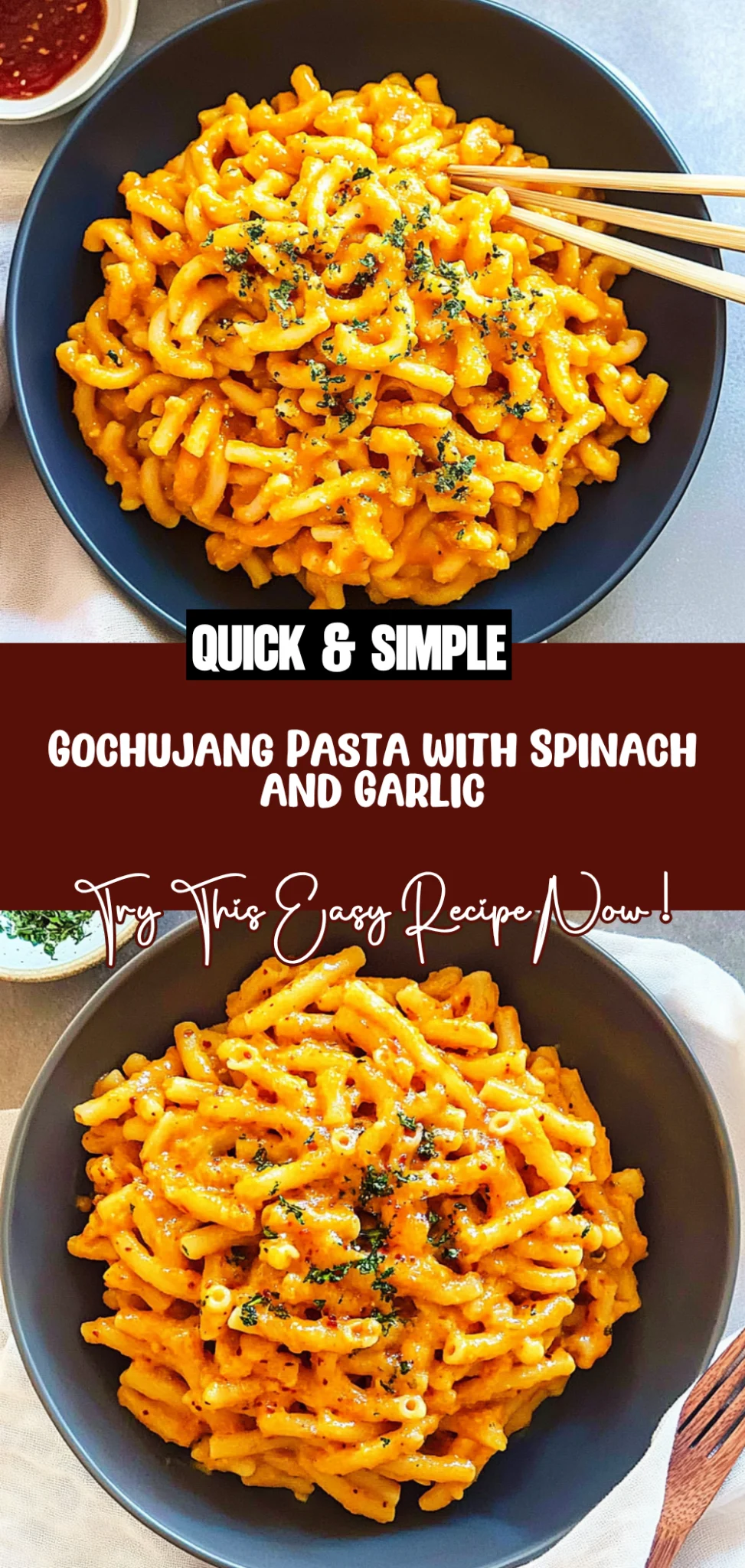
Are you ready to see how straightforward it is to make the Gochujang Pasta of your dreams??
1. COOK THE PASTA
Let’s start with the pasta – this is where the magic begins!
1. BOIL – Bring a large pot of salted water to a boil. This helps season the pasta as it cooks. Add the spaghetti and cook according to package instructions until al dente, which usually takes about 8-10 minutes. You want it firm enough to hold up in the sauce!
2. DRAIN – Once cooked, drain the pasta in a colander, but don’t forget to reserve 1/2 cup of that starchy pasta water! It’s going to help bring everything together later.
HANDY TIPS
- Use any pasta of your choice, but I recommend spaghetti for its ability to hold onto the sauce beautifully.
- For perfectly cooked spaghetti, taste a strand a minute or two before the package time is up!
2. PREPARE THE SAUCE
Now for that mouthwatering sauce that will elevate your dish!
3. HEAT – In a skillet, heat the sesame oil over medium heat until it shimmers slightly. This indicates it’s hot enough to release its nutty aroma. Add minced garlic and sauté for 1 minute until fragrant, being careful not to let it burn.
4. MIX – Stir in gochujang, soy sauce, honey, and rice vinegar. Mix well and cook for 2-3 minutes, allowing the flavors to meld together and thicken slightly.
HANDY TIPS
- Adjust the amount of gochujang based on your spice preference; more for fire-breathing heat, less for a milder kick!
- If you prefer a vegan option, substitute honey with maple syrup.
3. ADD VEGETABLES
Let’s add some color and crunch with fresh vegetables!
5. STIR-FRY – Add bell pepper, broccoli, and carrots to the skillet. Stir-fry for about 5 minutes until vegetables are tender yet still vibrant and crisp—this adds great texture!
6. THIN OUT – If at any point your sauce becomes too thick, add reserved pasta water a little at a time until you reach your desired consistency.
HANDY TIPS
- Feel free to swap in other veggies like snap peas or zucchini if you want an extra veggie boost!
- Keep an eye on those veggies; you want them tender but not mushy!
4. COMBINE AND SERVE
The final step is where everything comes together in perfect harmony!
7. TOSS – Add the cooked pasta directly into the skillet and toss everything together until well coated with that savory sauce – ensure every strand is luxuriously enveloped!
8. GARNISH – Serve hot, garnished with sliced green onions and toasted sesame seeds for extra flavor and crunch.
HANDY TIPS
- For a protein boost, consider adding cooked chicken or tofu right before serving.
- This dish can easily be doubled for meal prep; just adjust cooking times slightly if using larger quantities.
That’s it—you’ve created a spicy and savory Gochujang Pasta masterpiece that’s perfect for any weeknight dinner! I can already imagine how this delightful fusion of flavors will have you craving seconds (or thirds!). Enjoy every scrumptious bite! – Nagi x
FAQ – Gochujang Pasta
🌶️ Can I make this dish milder?
Yes, absolutely! If you find gochujang to be too spicy for your taste, you can easily reduce the amount used. Start with just 1 tablespoon and gradually add more if you’re comfortable with the heat. Alternatively, you could mix in a bit of plain tomato sauce or coconut milk to tone down the spice while still keeping that delicious umami flavor.
🥡 How long does Gochujang Pasta last in the fridge?
This pasta will keep well in the refrigerator for about 3 to 4 days. It’s best enjoyed within the first day or two when it maintains its vibrant flavors and texture at 97% as good on day 2. After that, it might start losing some of its freshness, especially the vegetables, but it will still be edible.
❄️ Can I freeze Gochujang Pasta?
You can freeze Gochujang Pasta, but it’s not ideal due to the nature of cooked vegetables. If you do decide to freeze it, make sure to pack it tightly in an airtight container. The pasta will maintain its quality for about 1 month in the freezer. When you’re ready to eat, thaw it overnight in the fridge and reheat gently on the stove, adding a splash of water or broth to help revive it.
🌱 Is there a vegan option for this recipe?
Yes! This Gochujang Pasta can easily be made vegan by substituting honey with maple syrup, as mentioned in the ingredients. Additionally, confirm that your gochujang is vegan-friendly; most brands are, but it’s worth checking labels just to be safe. Enjoy this delicious dish without any animal products!
🤔 What if I don’t have gochujang?
If you’re out of gochujang, you can create a substitute using a combination of red chili flakes, soy sauce, and a bit of sugar for sweetness. A mix starting with 1 tablespoon of red chili flakes and 1 tablespoon of soy sauce can mimic the flavor profile — just adjust according to your taste preferences. But remember, nothing beats the real deal!
⏲️ Why should I reserve pasta water?
Reserving pasta water is crucial because it’s starchy and helps bind the sauce to the pasta better. When you add this reserved water while mixing everything together, it creates a silky sauce that clings perfectly to each strand of spaghetti. Trust me; skipping this step will leave you with a less cohesive dish — nobody wants slippery noodles!
🔄 Can I customize this recipe with other vegetables?
Absolutely! This recipe is incredibly versatile when it comes to veggies. You can swap in any quick-cooking vegetables like snap peas, zucchini, or even baby corn depending on what you have on hand. Just ensure that whatever you choose is sliced thinly so it cooks through within about 5 minutes during stir-frying.
🔍 Did you really test this 20 times?
Err…yes. I know it’s a little mad 😅 but I wanted to get every aspect just right! From noodle types to vegetable combinations and spice levels — I’ve tried countless variations of this dish until I found what works best for a quick weeknight dinner that’s packed with flavor!
Troubleshooting
I will continue to add more to this Troubleshooting section as I start seeing questions coming through from people who have made the recipe.
Troubleshooting tips
“My pasta turned out mushy! 😩”
- You may have overcooked the spaghetti, which can happen if you left it in the boiling water for too long. Cooking times can vary, so it’s important to check the pasta a minute or two before the package instructions suggest.
- If you didn’t reserve enough of the pasta water, you might find that you couldn’t salvage a thick sauce. The reserved water is crucial for adjusting sauce consistency without compromising texture.
- I bet it still tasted good, though!
“My sauce was way too thick! 😟”
- Not adding enough reserved pasta water when combining the sauce with the vegetables and spaghetti can lead to a clumpy sauce. Remember, it’s easier to add more liquid than to remove it!
- If you cooked the sauce too long on high heat, it may have reduced too much, resulting in a thick paste instead of a smooth, pourable sauce.
- I bet it was still YUM though!
“The vegetables were way too crunchy! 🥕”
- If you didn’t stir-fry the bell pepper, broccoli, and carrots long enough (around 5 minutes), they may not have softened properly. Each vegetable has its own cooking time, so keep an eye on them!
- Using frozen vegetables instead of fresh ones can result in uneven cooking; they often release excess moisture and become soggy while still being hard inside if not cooked long enough.
- I bet they were still delicious in their own right!
“My dish looks pale and unappetizing! 😬”
- If you didn’t sauté the garlic long enough before adding gochujang and other ingredients, the sauce might lack depth in color and flavor. Garlic should be fragrant but not burnt—just one minute is usually perfect!
- Not using enough gochujang can leave your dish looking bland. It’s what gives this pasta its beautiful reddish hue and distinct flavor!
- I bet it tasted better than it looked!