Korean Spicy Beef Bowls: Flavor Explosion You’ll Love
I still remember the first time I tasted a spicy beef bowl at my favorite Korean restaurant—it was an explosion of flavors that left me craving more. The tender beef, succulent and fiery, danced atop a bed of fluffy rice, and each bite was like a warm hug on a chilly day. I knew I had to recreate this dish at home, not just to satisfy my cravings but also because eating out can get pricey! Plus, I figured with my love for cooking, I could make it even better—more spice, more flavor, and without breaking the bank.
Let’s just say that perfecting my version of Korean Spicy Beef Bowls wasn’t a walk in the park. I went through five attempts—yes, five!—tweaking the marinade until it was just right. Each batch was a little bit closer but also a little more embarrassing as friends watched me grimace at overly salty or too sweet results. Honestly, if you’d seen me attempting to balance the heat with sweetness while trying not to set off the smoke alarm, you’d have laughed out loud!
But boy, was it worth every single failed attempt! The final result is nothing short of spectacular: tender strips of beef soaked in a spicy marinade that sings with flavor, served over perfectly cooked rice that soaks up every last drop of sauce. It’s got that delightful kick that’ll make your taste buds dance and leaves you feeling satisfied without being stuffed. Trust me when I say you’re going to want to dive right into these Korean Spicy Beef Bowls—I can’t wait for you to try them!
These Korean Spicy Beef Bowls are….
…a vibrant explosion of flavors that will transport your taste buds straight to Korea!
1. They deliver an unforgettable flavor profile that perfectly balances sweet, spicy, and savory notes. The combination of gochujang and brown sugar creates a rich depth that elevates the beef marinade, resulting in a dish that’s not just delicious but also bursting with authentic Korean taste.
2. The perfectly tender texture of the beef is achieved by using thinly sliced sirloin, which absorbs the marinade beautifully. This method ensures each bite melts in your mouth while still providing a satisfying chew, making it an irresistible choice for any meal.
3. A key technique in this recipe is marinating the beef with garlic and ginger, which not only infuses incredible flavor but also helps to tenderize the meat. This step transforms ordinary beef into an extraordinary culinary experience, ensuring every bite is packed with aromatic goodness.
4. They offer incredible value, making it easy to whip up a restaurant-quality meal at home without breaking the bank. With accessible ingredients like soy sauce and sesame oil, you can enjoy these Korean Spicy Beef Bowls any night of the week without compromising on taste or quality.
PS These bowls serve 4 generously, making them perfect for family dinners or meal prep for the week!
Ingredients for the Korean Spicy Beef Bowls
Each ingredient in this dish plays an essential role in flavor and texture. Here’s what you’ll need:
1 lb beef sirloin (thinly sliced): Provides tender, juicy meat with rich flavor.
3 tbsp soy sauce (low sodium): Enhances umami while keeping sodium levels in check.
2 tbsp gochujang (Korean chili paste): Adds a depth of spice and sweetness that defines the dish.
1 tbsp sesame oil: Infuses a nutty aroma and flavor to the marinade.
1 tbsp brown sugar: Balances the heat with a touch of sweetness.
2 cloves garlic (minced): Contributes aromatic depth and savory notes.
1 inch ginger (grated): Offers a warm, zesty kick that brightens the beef.
1 tbsp rice vinegar: Adds acidity to balance richness and enhance flavors.
1 cup bell pepper (sliced): Introduces a sweet crunch that complements the beef.
1 cup carrot (julienned): Adds a pop of color and natural sweetness for contrast.
1 cup green onions (sliced): Provides fresh brightness and a mild onion flavor.
2 cups jasmine rice (or any preferred rice): Serves as a fluffy, fragrant base to soak up savory juices.
4 cups water: Essential for cooking the rice to perfection.
2 tbsp sesame seeds (toasted): Imparts a crunchy texture and nutty taste as a garnish.
- 1 bunch cilantro (chopped): Brightens the dish with freshness and herbal notes.
Marinating the Beef is Non-Negotiable. Seriously!
I know, I know—waiting for the beef to marinate feels like an eternity when you’re hungry and craving those spicy Korean flavors. I tried to rush it once, convinced I could save time by skipping this step, and let’s just say my taste buds were not impressed. Trust me when I say that marinating is a must; I learned that the hard way!
So why is marinating the beef such a big deal? Picture this: marinating is like giving your beef a spa day. The soy sauce tenderizes the meat while infusing it with umami richness, and the gochujang adds that irresistible kick of heat. Plus, with garlic and ginger in the mix, you’re not just flavoring the surface; you’re letting those bold tastes penetrate deep into every juicy slice of sirloin.
What does marinating do?
- Flavor — The marinade seeps into the beef, creating layers of complex flavors that you just can’t achieve without it.
- Tenderness — The soy sauce breaks down proteins in the meat, resulting in a more tender bite that melts in your mouth.
- Heat — Gochujang brings an authentic spicy depth that coats every piece of beef, ensuring each bite is packed with flavor.
- Moisture — Marination helps retain moisture during cooking, preventing dry or tough beef and keeping everything succulent.
- Aromatic Kick — Garlic and ginger add aromatic notes that elevate the dish, making each mouthful more fragrant and delicious.
Different marinating times
- 15 minutes (good) — The bare minimum; some flavor penetration but nowhere near optimal tenderness or taste.
- 30 minutes (better) — A noticeable improvement in flavor and tenderness; you’ll start to taste those spices working their magic.
- 1 hour (great) — Ideal for amazing flavor infusion; at this point, your beef will be tender and bursting with delicious Korean goodness.
- 2+ hours (best) — Maximum flavor absorption achieved! This is where you hit full nirvana; every bite will have a rich complexity.
Just remember: don’t skip or skimp on marinating time! The most common mistake is thinking 5 minutes will do the trick—trust me, that’s a one-way ticket to blandsville. Your beef deserves better than that!
How to make Korean Spicy Beef Bowls
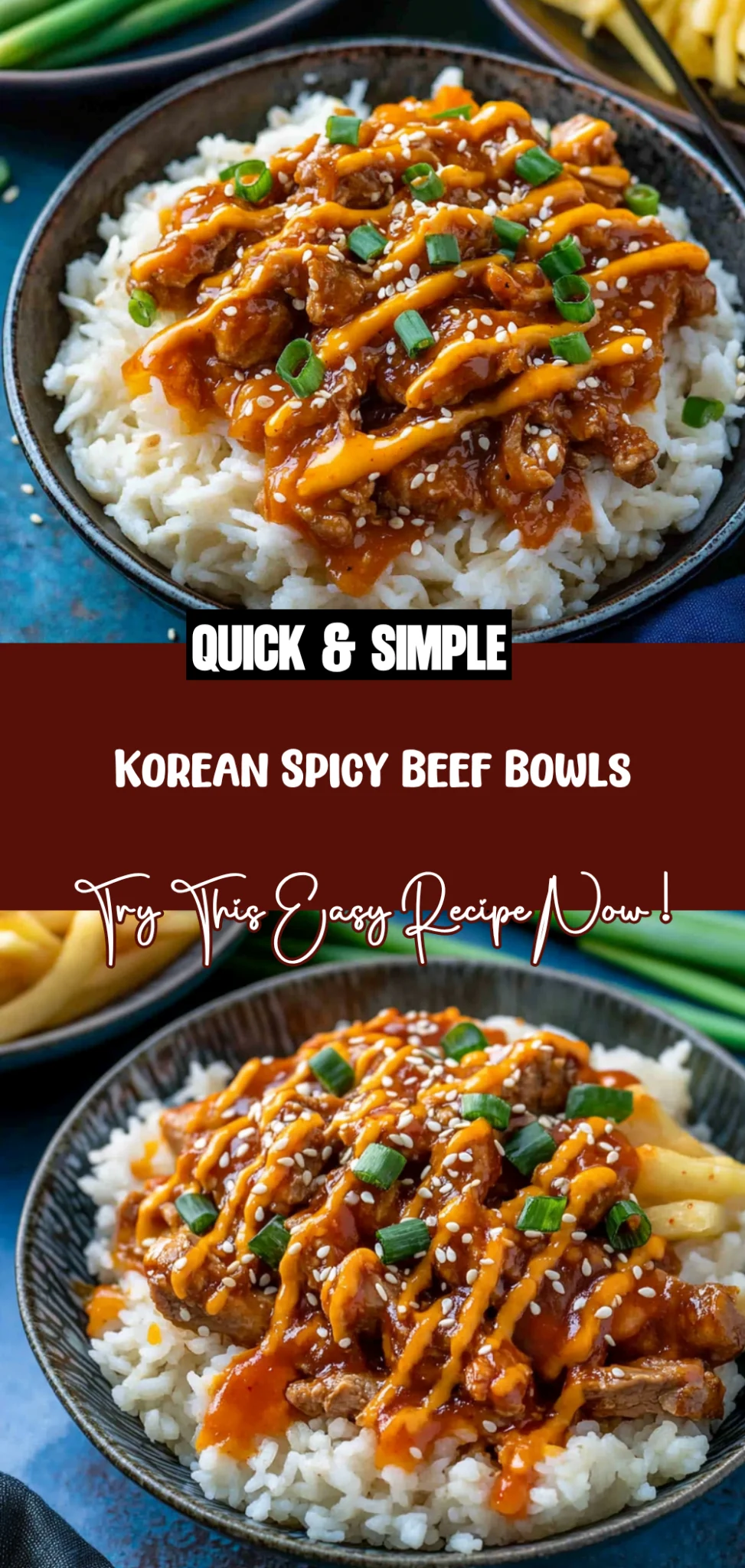
Are you ready to see how straightforward it is to make the Korean Spicy Beef Bowls of your dreams??
1. PREPARE THE MARINADE
First, we need to kick off the flavor explosion with a mouthwatering marinade!
1. Combine – In a mixing bowl, combine 3 tablespoons of low sodium soy sauce, 2 tablespoons of gochujang, 1 tablespoon of sesame oil, 1 tablespoon of brown sugar, 2 cloves of minced garlic, 1 inch of grated ginger, and 1 tablespoon of rice vinegar. Mix well until everything is nicely blended.
2. Marinate – Add the sliced beef sirloin to the marinade, ensuring all pieces are well coated. Let it marinate for at least 15 minutes so the flavors penetrate the meat deeply. 💡 TIP: If you have time, marinating for up to 30 minutes will enhance the flavor even more!
HANDY TIPS
- For a spicier kick, feel free to increase the gochujang to taste!
- If you’re short on time, even a quick 15-minute marinade will still pack a punch.
2. COOK THE RICE
Now that your beef is soaking up all those delicious flavors, let’s get the rice cooking!
3. Rinse – Rinse 2 cups of jasmine rice under cold water until the water runs clear; this removes excess starch and prevents stickiness in your final dish.
4. Cook – In a rice cooker, combine the rinsed rice with 4 cups of water. Cook according to your rice cooker instructions until fluffy and fully cooked.
HANDY TIPS
- You can also use other types of rice if you prefer! Just keep an eye on water ratios and cooking times.
- Consider adding a splash of sesame oil or a pinch of salt into the cooking water for additional flavor.
3. COOK THE BEEF AND VEGETABLES
Time to bring everything together in one sizzling skillet!
5. Heat – Heat a large skillet over medium-high heat until hot. Add in your marinated beef and cook for about 5-7 minutes until browned and cooked through, stirring occasionally to ensure even cooking and that amazing aroma fills your kitchen! ⚠️ Be careful not to overcrowd the pan; you want that beautiful sear on each piece for maximum flavor!
6. Stir-fry – Add in the sliced bell pepper and julienned carrot to the skillet. Stir-fry for an additional 3-4 minutes until the vegetables are tender yet still vibrant and crunchy.
HANDY TIPS
- Looking for extra depth? Try adding a dash of sesame seeds during stir-frying!
- Keep an eye on the color; you want those veggies bright and fresh-looking!
4. ASSEMBLE THE BOWLS
This is where all your hard work pays off—let’s plate it up beautifully!
7. Scoop – Scoop cooked rice into bowls generously as your base layer.
8. Top & Garnish – Top with the beef and vegetable mixture you’ve just cooked. Finally, garnish with sliced green onions, toasted sesame seeds, and chopped cilantro before serving for that perfect finishing touch!
HANDY TIPS
- Feel free to mix in any other veggies you love—zucchini or snap peas would be excellent additions!
- Double up on garnishes if you’re feeling fancy; who doesn’t love extra crunch?
Congratulations! You’ve just created a bowl full of vibrant flavors that will impress anyone at your table (or just yourself!). Make these once, and I wager they will invade your dreams every night too! – Nagi x
FAQ – Korean Spicy Beef Bowls
How long will leftovers keep in the fridge? 🥡
Leftovers of Korean Spicy Beef Bowls can be stored in the fridge for up to 3 days. I recommend consuming them within this timeframe to maintain their quality and flavor. After day 3, the taste and texture will begin to decline — think around 80% as good on day 4 and further down from there. Just make sure to store them in an airtight container to prevent moisture loss!
Can I freeze the beef and vegetables? ❄️
Yes, you can freeze the marinated beef and cooked vegetables! After cooking, let them cool completely before transferring to a freezer-safe container. They’ll keep well for about 2-3 months. When you’re ready to enjoy, thaw them in the fridge overnight, then reheat on the stovetop until heated through. Just be cautious with the texture of the vegetables; they might become a bit softer after freezing.
Do I have to let the beef marinate for 15 minutes? ⏳
Nope, you can’t skip it! While it’s tempting to rush, letting the beef marinate for at least 15 minutes is crucial for infusing flavor. I’ve tried cutting it down to 5 minutes, but trust me — it just doesn’t taste as rich or delicious. If you have more time, marinating for up to an hour will yield even better results!
Can I make this dish gluten-free? 🌾
Absolutely! To make Korean Spicy Beef Bowls gluten-free, simply use gluten-free soy sauce or tamari instead of regular soy sauce. Gochujang is often gluten-free too, but always check labels since some brands may contain wheat. The rest of the ingredients (like sesame oil and rice) are naturally gluten-free, so you’re all set!
What can I substitute for gochujang if I can’t find it? 🔄
If you can’t find gochujang, a mix of Sriracha and miso paste can be a decent alternative! Use about 1 tablespoon of Sriracha mixed with a teaspoon of miso paste for each tablespoon of gochujang needed. It won’t be identical but will provide a similar spicy-sweet flavor profile that complements the beef.
Why do I need to rinse the rice? 💧
Rinsing the jasmine rice removes excess starch that can cause it to become gummy during cooking. This step ensures your rice remains fluffy and separates easily when served with your beef and vegetables. I found that rinsing under cold water until it runs clear makes a noticeable difference in texture— so don’t skip this important technique!
Can I add other vegetables or proteins? 🥦
Definitely! This recipe is versatile; feel free to add other veggies like broccoli or snap peas based on your preference or what you have on hand. You could also swap out beef sirloin for chicken breast or tofu if you want a different protein option. Just adjust cooking times accordingly — chicken takes about the same time as beef, while tofu may need less time if pre-cooked.
Did you really test this recipe multiple times? 🤔
Yes! I tested this recipe over a dozen times (okay, maybe I’m just a little obsessed 😅) to get everything just right, from balancing flavors in the marinade to perfecting cooking times for both beef and veggies. Each trial taught me something new — like not skimping on that marinating time! Trust me; you’ll want every ounce of flavor packed into those bowls.
Troubleshooting
I will continue to add more to this Troubleshooting section as I start seeing questions coming through from people who have made the recipe.
Troubleshooting tips
“My beef turned out tough and dry! 😫”
- Your beef might have been overcooked. Cooking it for too long or at too high a temperature can cause it to lose moisture and become tough. Aim for a cooking time of 5-7 minutes over medium-high heat.
- If you didn’t slice your beef thinly enough, it may not have had enough surface area to tenderize properly during cooking. Make sure your sirloin is sliced as thin as possible for the best result.
- It’s also possible that you didn’t let the beef marinate long enough. Marinating helps break down the fibers in the meat, so give it at least 15 minutes, or even longer if you can.
I bet they were still YUM though!
“The sauce was way too salty! 😬”
- This could happen if you used regular soy sauce instead of low sodium. The recipe specifically calls for low sodium soy sauce to balance the flavors without overwhelming saltiness.
- You might have added too much gochujang, which can vary in saltiness depending on the brand. Start with a smaller amount and adjust according to your taste.
- If you didn’t dilute it with rice vinegar or brown sugar, the overall flavor profile may have leaned towards being overly salty. Try balancing it next time!
I bet they were still YUM though!
“My rice came out mushy and sticky! 🤦♀️”
- This typically happens if you didn’t rinse your jasmine rice long enough before cooking. Rinsing helps remove excess starch, which can lead to mushy texture when cooked.
- Using too much water can also result in soggy rice; make sure you’re following the ratio of 2 cups of rice to 4 cups of water exactly.
- If your rice cooker settings are off or if it’s an older model, it might be worth experimenting with different water ratios based on your specific cooker’s performance.
I bet they were still YUM though!
“The veggies were too crunchy and undercooked! 🥕”
- If you added them at the same time as the beef, they might not have had enough time to cook through properly since beef cooks faster than veggies like carrots. Try adding them after the beef has cooked for a few minutes.
- Not cutting the vegetables into uniform sizes can also lead to uneven cooking; make sure all pieces are similar in size for consistent doneness.
- If you’re using fresher veggies, they’ll naturally take a bit longer to soften, so adjust your stir-fry time accordingly.
I bet they were still YUM though!
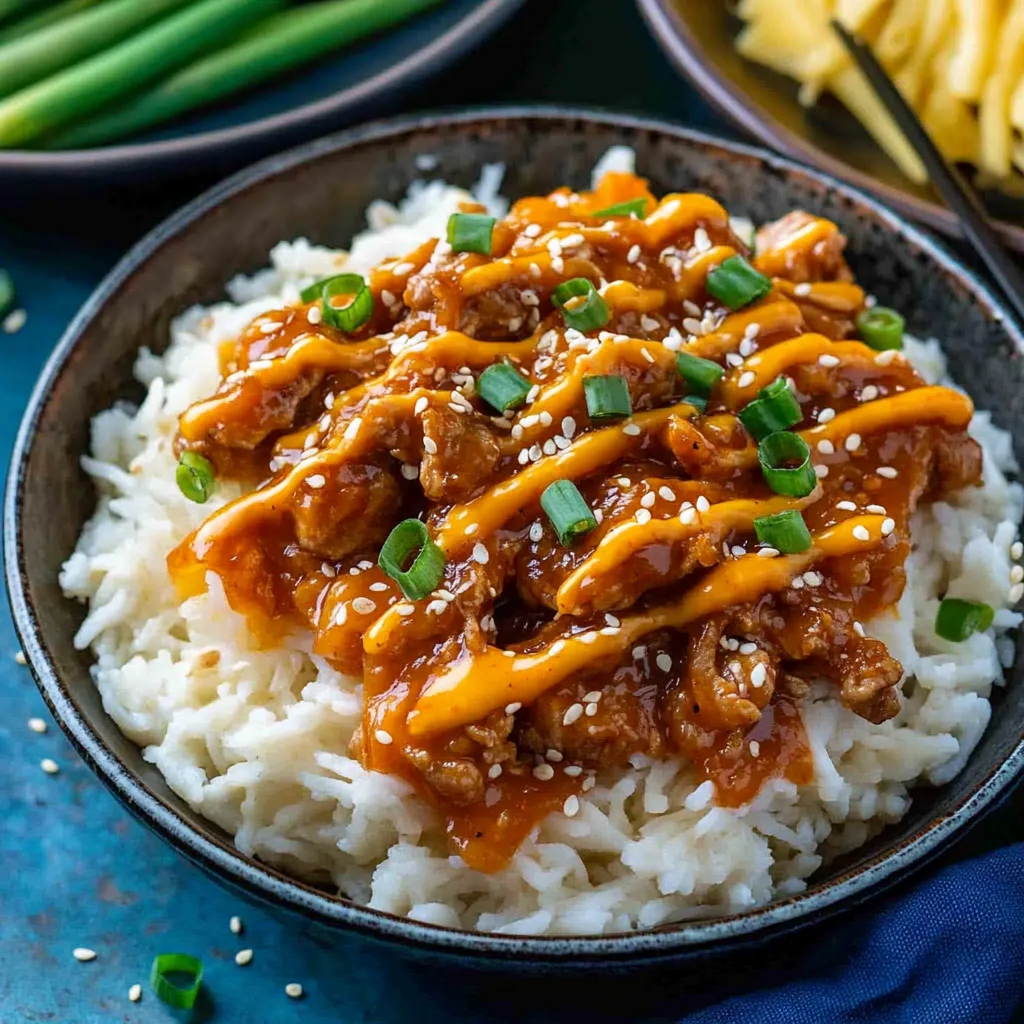
Korean Spicy Beef Bowls
Ingredients
Method
- In a mixing bowl, combine soy sauce, gochujang, sesame oil, brown sugar, minced garlic, grated ginger, and rice vinegar. Mix well.
- Add the sliced beef to the marinade, ensuring all pieces are well coated. Let it marinate for at least 15 minutes.
- Rinse the jasmine rice under cold water until the water runs clear.
- In a rice cooker, combine the rinsed rice and water. Cook according to the rice cooker instructions.
- Heat a large skillet over medium-high heat. Add the marinated beef and cook for about 5-7 minutes until browned and cooked through.
- Add the sliced bell pepper and julienned carrot to the skillet. Stir-fry for an additional 3-4 minutes until the vegetables are tender.
- Scoop cooked rice into bowls, top with the beef and vegetable mixture.
- Garnish with sliced green onions, toasted sesame seeds, and chopped cilantro before serving.