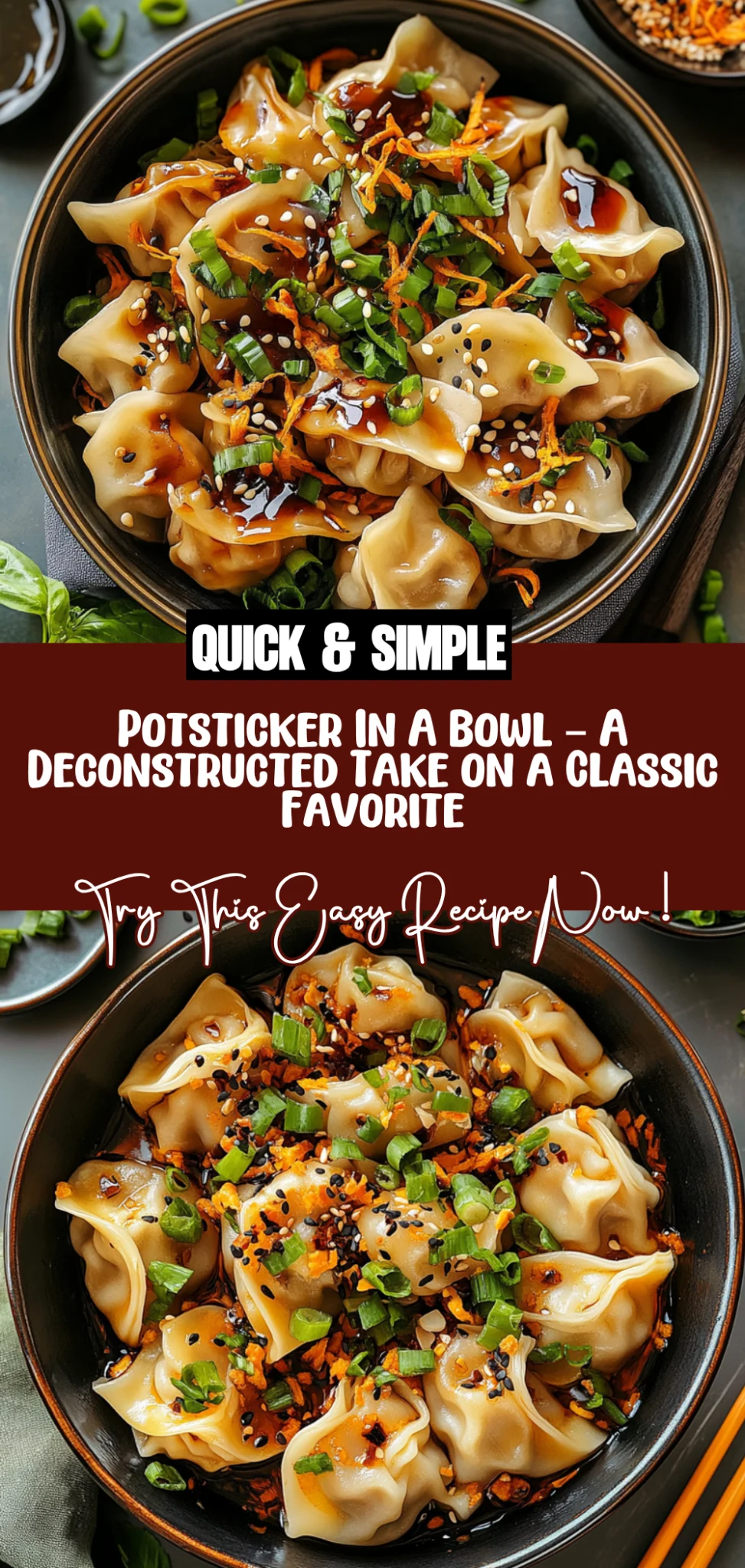
Potsticker In A Bowl – A Deconstructed Take on a Classic …
I’ve always had a soft spot for potstickers. There’s something about those little dumplings, crisp on the bottom and tender on top, that just makes my heart sing. A few months back, after a particularly indulgent night at my favorite local dim sum place, I found myself craving them like crazy—but let’s be real, no one wants to spend time wrapping hundreds of dumplings at home (especially when you can eat them faster than you can make them!). So, I thought, why not capture all those incredible flavors in a bowl? That’s how Potsticker In A Bowl – A Deconstructed Take on a Classic Favorite was born.
Now, let me tell you, perfecting this recipe was no walk in the park. I went through about five different attempts—yes, five! Each time I tried to create a dish that packed all the flavor punch of traditional potstickers without the fuss of wrappers. I experimented with various combinations of ingredients and cooking techniques, feeling like an over-ambitious mad scientist in my kitchen (I may have even burned a few pans in the process). But every failed attempt only fueled my determination to get it right—because who doesn’t want an easy weeknight dinner that feels like a gourmet experience?
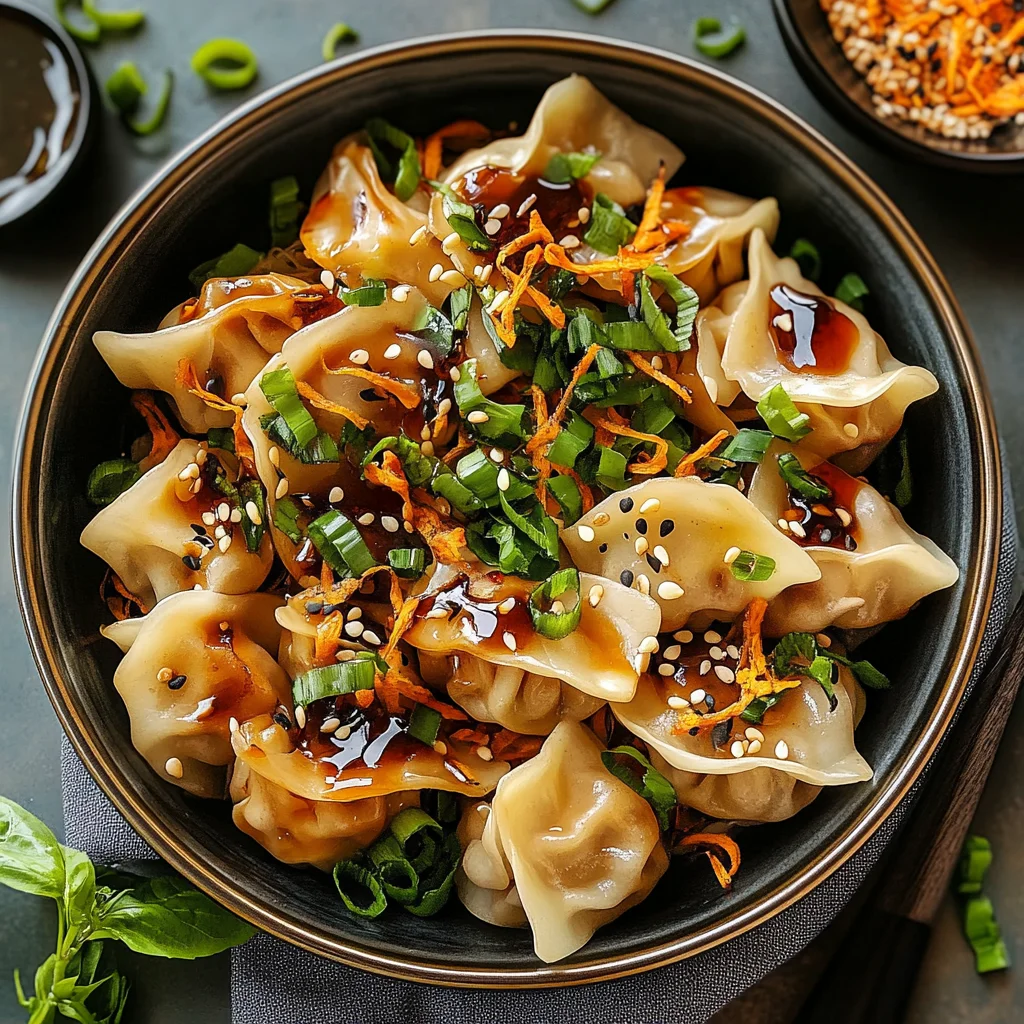
But oh boy, was it worth it! The final result is nothing short of magical. Imagine a warm bowl filled with tender ground pork and veggies infused with soy sauce and ginger, topped with crispy shallots that bring an irresistible crunch. It’s got that satisfying blend of flavors and textures that’ll have you going back for seconds—and maybe thirds! I can’t wait for you to try this out; it’s comfort food taken to another level! Grab your spoon and let’s dig into this deliciousness together!
These Potsticker In A Bowl – A Deconstructed Take on a Classic Favorite are…
…a vibrant explosion of flavor and comfort that you’ll crave again and again!
1. They deliver an incredible umami punch thanks to the combination of ground pork, soy sauce, and ginger. The richness of the pork melds beautifully with the savory notes from low-sodium soy sauce, creating a satisfying depth that’s truly addictive.
2. Enjoy a hearty texture with tender morsels of meat and crisp veggies. The finely chopped cabbage and grated carrot add a delightful crunch that contrasts beautifully with the soft rice base, ensuring each bite is both comforting and exciting.
3. The secret to elevating the flavor lies in the incorporation of fresh garlic and ginger into the filling. This technique not only enhances the aromatic profile but also infuses every spoonful with warmth and zest, making it feel homemade and heartfelt.
4. This dish offers remarkable value as it uses affordable ingredients like ground pork and fresh vegetables, all while being simple to prepare at home. You’ll enjoy all the classic potsticker flavors without needing to fuss over wrappers or spend a fortune at a restaurant.
PS This recipe yields about 4 generous bowls, perfect for meal prep or sharing with family!
Ingredients for the Potsticker In A Bowl – A Deconstructed Take on a Classic Favorite
Each ingredient in this dish plays an essential role in flavor and texture. Here’s what you’ll need:
Filling
1 lb ground pork: Provides rich, savory depth and protein to the bowl.
1 cup cabbage (finely chopped): Adds a crisp texture and subtle sweetness.
1 carrot (grated): Introduces natural sweetness and vibrant color.
2 green onions (chopped): Offers a fresh, mild onion flavor that brightens the dish.
2 cloves garlic (minced): Delivers robust aroma and savory punch.
1 inch ginger (fresh, grated): Infuses warmth and zing for a comforting taste.
2 tbsp soy sauce (low sodium recommended): Enhances umami richness without overpowering.
1 tbsp sesame oil: Contributes a nutty aroma and depth of flavor.
Bowl Base
4 cups broth (chicken or vegetable): Serves as the flavorful liquid base that ties everything together.
2 cups bok choy (chopped): Adds tender greens with a slight crunch for freshness.
2 cups rice (cooked, can use brown or white): Provides hearty bulk and absorbs flavors beautifully.
1 tbsp soy sauce (for seasoning): Further enhances overall seasoning for balanced flavor.
Toppings
1 tbsp sesame seeds (toasted): Adds a delightful crunch and nutty finish.
1 tbsp cilantro (chopped, for garnish): Gives a burst of freshness and visual appeal.
- 1 tbsp chili oil (optional, for heat): Allows you to customize spice levels for your palate.
You Must Cook the Filling Properly. No Skimping!
I’ll be honest – I wanted to find a shortcut here. Who wouldn’t want to just toss everything in and call it done, right? But after testing this recipe multiple times (let’s just say I’ve had my fill of potsticker experiments!), I learned that cooking the filling thoroughly is absolutely non-negotiable. Trust me; you don’t want to skip this step!
Here’s why cooking the filling is crucial: when you properly cook the ground pork along with the vegetables, it allows all those incredible flavors to meld together beautifully. Think of it like searing a steak – if you skip that caramelization step, you miss out on the rich depth of flavor that makes a dish really sing. In this case, cooking brings out the savory notes from the pork and the sweetness from the veggies, resulting in a filling that’s juicy, flavorful, and not at all soggy.
What does cooking the filling do?
- Flavor enhancement: Cooking allows the meat and vegetables to release their natural juices, creating a richer taste that’s far superior to raw ingredients mixed together.
- Texture improvement: The browning process gives the filling a delightful contrast between crispy bits from sautéing and tender vegetables, elevating each bite.
- Safety assurance: Thoroughly cooking pork ensures it’s safe to eat, eliminating any risk of foodborne illness.
- Color development: The Maillard reaction occurs during cooking, giving your filling a beautiful golden-brown hue that’s more appetizing than pale or raw mixtures.
- Moisture retention: Proper cooking ensures that moisture from the pork is locked in, preventing a dry or crumbly texture when added to your bowl.
Different cooking times
- 5 minutes (fair) — The pork is still slightly pink inside and lacks depth; flavors haven’t had time to develop fully.
- 8 minutes (good) — The mixture is cooked through but may still be lacking some caramelization; flavors are better but not yet optimal.
- ⭐️ 10 minutes ⭐️ — Perfect! The filling is fully cooked, well-seasoned, and has developed a lovely color and flavor balance.
- Beyond 12 minutes (diminished returns) — While everything remains cooked, there’s a risk of drying out or overcooking the vegetables.
Be warned: undercooking your filling is the most common mistake! I’ve made this error before – thinking “It’ll be fine” only for my bowl to taste bland and unappealing. Ensure your pork is fully cooked through and enjoy a flavor-packed experience instead of an awkward culinary mishap!
How to make Potsticker In A Bowl – A Deconstructed Take on a Classic Favorite
Are you ready to see how straightforward it is to make the Potsticker In A Bowl – A Deconstructed Take on a Classic Favorite of your dreams??
1. PREPARE THE FILLING
Let’s start by bringing all those classic potsticker flavors together in a delicious filling!
1. Combine – In a mixing bowl, combine the ground pork, finely chopped cabbage, grated carrot, chopped green onions, minced garlic, grated ginger, soy sauce, and sesame oil. Mix well until everything is fully combined; you want those flavors to meld together beautifully!
2. Cook – Heat a large skillet over medium heat and add the filling mixture. Cook for about 8-10 minutes, stirring occasionally until the pork is cooked through and no longer pink. You’ll know it’s done when the filling is fragrant and slightly caramelized.
HANDY TIPS
- Use ground chicken or turkey for a lighter option; they work perfectly in this recipe!
- Ensure your filling is well-mixed for even flavor distribution—no one wants a bland bite!
2. PREPARE THE BOWL BASE
Now it’s time to create that comforting broth base that ties everything together.
1. Simmer – In the same skillet (hello, easy cleanup!), add the broth and bring it to a simmer over medium heat. This will pick up any tasty bits left from cooking the filling.
2. Add Bok Choy – Toss in the chopped bok choy and cook for 3-5 minutes until it wilts down nicely. You want it tender but still vibrant green!
3. Mix Rice – Stir in the cooked rice and an additional tablespoon of soy sauce, mixing thoroughly so each grain is coated and flavorful.
HANDY TIPS
- For extra texture, use brown rice—it adds nuttiness and pairs wonderfully with the savory broth.
- If you’re short on time, using pre-cooked rice can save you those precious minutes!
3. ASSEMBLE THE BOWL
The final step is where all your hard work comes together in one beautiful bowl!
1. Divide – Spoon equal portions of the rice and bok choy mixture into bowls as your base.
2. Top – Generously top each bowl with the cooked filling mixture you prepared earlier; don’t be shy!
3. Garnish – Finally, garnish with toasted sesame seeds, freshly chopped cilantro, and a drizzle of chili oil if you like some heat.
HANDY TIPS
- If you’re feeling fancy, try adding some sliced radishes or sliced jalapeños for an extra pop of color and flavor!
- This bowl looks stunning served with a sprinkle of sesame seeds; they add both crunch and visual appeal!
What an accomplishment! You’ve created a delightful Potsticker In A Bowl – all those rich flavors without any fuss! I bet this will become a weeknight favorite that you’ll whip up again and again! Make these once, and I wager they will invade your dreams every night too! – Nagi x
FAQ – Potsticker In A Bowl – A Deconstructed Take on a Classic Favorite
🥡 How long will the leftovers keep?
The leftovers will stay fresh in the fridge for about 3-4 days. After that, I’d say they’re still 90% as good on day 5, but you might notice a decline in flavor and texture. Make sure to store them in an airtight container to maintain their quality. If you notice any off smells or changes in texture, it’s best to play it safe and toss them out!
⏳ Can I skip the resting time after cooking the filling?
No, you really can’t skip it! Allowing the filling to rest for a few minutes helps the flavors meld together beautifully. Plus, it gives the meat some time to firm up slightly, making it easier to scoop into your bowls without falling apart. Trust me, I’ve tried rushing this step, and it just doesn’t yield the same delicious results!
❄️ Can I freeze this dish for later?
Absolutely! You can freeze the filling mixture before cooking or after cooking – both options work well. If freezing before cooking, shape it into patties or balls and place them in a single layer on a baking sheet until frozen solid, then transfer to a zip-top bag. When you’re ready to enjoy, just thaw overnight in the fridge and cook as directed. If frozen after cooking, store it in an airtight container for up to 2 months. To reheat, simply warm it through on the stovetop with a splash of broth.
🌱 Can this recipe be made gluten-free?
Yes! To make this dish gluten-free, simply substitute soy sauce with tamari or coconut aminos. Both options provide similar flavor profiles without gluten. Additionally, ensure your broth is gluten-free as well—many brands offer this option now. Enjoy all those potsticker flavors without worrying about gluten!
🍖 What can I use instead of ground pork?
You can easily substitute ground chicken or turkey for ground pork if you prefer a leaner option or if that’s what you have on hand. The flavor will still be delightful; just keep in mind that turkey tends to be drier than pork. 💡 Adding a bit more sesame oil can help retain moisture if using turkey.
🔍 Why do I need to chop everything so finely for the filling?
Chopping everything finely ensures even cooking and better integration of flavors throughout the filling. If your ingredients are too chunky, they won’t mix well and could create uneven textures when cooked—definitely not what we want! Plus, finer pieces absorb more of that tasty soy sauce and sesame oil goodness!
🎉 Can I customize the toppings for my bowl?
Absolutely! Feel free to get creative with your toppings—try adding sliced radishes for crunch or pickled vegetables for tanginess. You can also swap out cilantro for green onions if that’s your preference or add some sliced jalapeños for extra heat! The beauty of deconstructed dishes is how flexible they are; make it your own!
Troubleshooting
I will continue to add more to this Troubleshooting section as I start seeing questions coming through from people who have made the recipe.
Troubleshooting tips
“My filling turned out too dry! 😟”
- You might have overcooked the pork in the skillet, which can lead to dryness. Make sure to cook just until the pork is no longer pink and then remove it from heat.
- If you used lean ground meat, like turkey, it tends to be drier than pork. Consider adding a bit more sesame oil or a splash of broth to keep it juicy next time.
- I bet it was still YUM though!
“The bok choy didn’t wilt properly! 😅”
- If you didn’t cook the bok choy long enough in the broth, it may not have had time to soften and wilt. Remember, give it at least 3-5 minutes for that tender texture!
- Alternatively, if your broth was simmering too vigorously, it might have cooked off too quickly without properly wilting the greens. A gentle simmer is key!
- I bet it was still YUM though!
“My rice came out mushy! 😬”
- Using too much water when cooking your rice can lead to mushiness. Make sure to follow package instructions for the right water-to-rice ratio.
- Additionally, if you didn’t let your rice rest after cooking, excess steam can contribute to that soggy texture. Letting it sit covered for a few minutes helps!
- I bet it was still YUM though!
“The whole dish was bland! 🤔”
- Not using enough soy sauce or seasoning in either the filling or bowl base could leave your dish lacking flavor. Make sure to taste and adjust seasoning as you go!
- If your broth was low sodium or unsalted, consider adding more soy sauce or some salt to really bring those flavors out.
- I bet it was still YUM though!
Potsticker In A Bowl – A Deconstructed Take on a Classic Favorite
Ingredients
Method
- In a mixing bowl, combine ground pork, cabbage, carrot, green onions, garlic, ginger, soy sauce, and sesame oil. Mix well until fully combined.
- Heat a large skillet over medium heat and add the filling mixture. Cook for about 8-10 minutes, stirring occasionally until the pork is cooked through.
- In the same skillet, add the broth and bring to a simmer.
- Add the chopped bok choy and cook for 3-5 minutes until wilted.
- Stir in the cooked rice and soy sauce, mixing thoroughly.
- Divide the rice and bok choy mixture into bowls.
- Top each bowl with the cooked filling mixture.
- Garnish with sesame seeds, cilantro, and a drizzle of chili oil if desired.