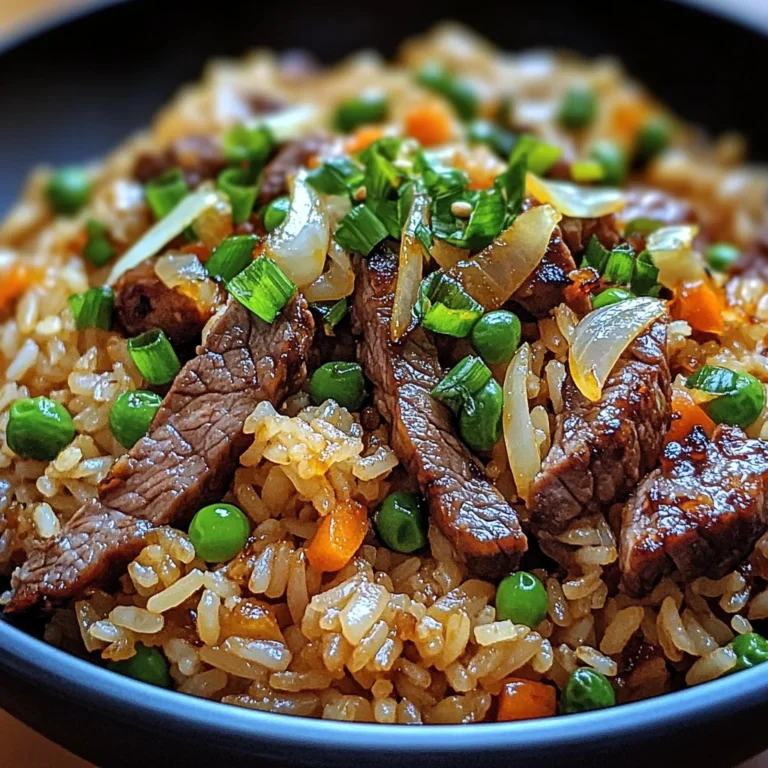
High-Protein Korean Beef Bowl: Savory and Satisfying Expe…
I’ve always been a sucker for a good beef bowl, especially when it comes to Korean cuisine. The inspiration for my High-Protein Korean Beef Bowl came during a late-night binge at my favorite Korean joint, where the rich, savory flavors danced on my taste buds and made me forget about everything else. It was that perfect blend of tender beef, aromatic spices, and fresh veggies that left me dreaming about recreating it at home—not just to save a few bucks but also to experiment with making it healthier and packed with even more protein. Who knew I could whip up something so satisfying without the hefty price tag?
Let me tell you, perfecting this recipe was no walk in the park! I went through what felt like an embarrassing number of attempts—let’s just say I’m now on a first-name basis with my butcher after so many trips! Each iteration had its own set of challenges; one time the beef was too chewy, another time I overdid it on the seasoning. But hey, if there’s one thing I’ve learned in my culinary adventures, it’s that sometimes you’ve got to fail spectacularly before you can succeed gloriously. After a lot of trial and error and perhaps too many takeout leftovers, I finally nailed the balance of flavors and textures.
And oh boy, was it worth every bit of effort! The final result is a delicious and nutritious High-Protein Korean Beef Bowl that’s bursting with flavor—think tender marinated beef that melts in your mouth, complemented by a spicy-sweet sauce that’ll have you coming back for seconds (or thirds!). The colorful veggies add a satisfying crunch while keeping things fresh and vibrant. Trust me, once you try this bowl, you’ll be hooked! So roll up your sleeves and let’s get cooking; I can’t wait for you to dive into this delightful dish!
These High-Protein Korean Beef Bowl are….
….the ultimate dinner solution when you crave something hearty, nutritious, and bursting with flavor!
1. They deliver an explosion of flavor thanks to the perfect balance of soy sauce, sesame oil, and fresh garlic and ginger. This combination not only enhances the savory notes of the lean ground beef but also introduces a depth that makes each bite memorable—definitely a standout in your weeknight meals.
2. The texture is sensational, featuring tender beef mingling with crisp-tender vegetables. The lean ground beef is cooked just right, ensuring it remains juicy while perfectly complementing the crunch from the broccoli and carrots, creating an exciting contrast that keeps every mouthful interesting.
3. I use a marinade technique that infuses the beef with flavor while keeping it healthy. By combining low-sodium soy sauce, ginger, and a touch of brown sugar, I create a savory yet slightly sweet profile that beautifully penetrates the meat without overwhelming it—making this dish both satisfying and guilt-free.
4. This recipe offers incredible value, allowing you to whip up a gourmet meal at home for a fraction of the cost you’d pay at a restaurant. With just 1 lb of lean ground beef and accessible ingredients like rice and veggies, you can serve up generous portions packed with protein and nutrients that won’t break the bank.
PS This High-Protein Korean Beef Bowl serves 4 generously, making it perfect for meal prep or sharing with family!
Ingredients for the High-Protein Korean Beef Bowl
Each ingredient in this dish plays an essential role in flavor and texture. Here’s what you’ll need:
- 1 lb lean ground beef (preferably 90% lean): Provides rich protein and savory depth.
- 3 tbsp soy sauce (low sodium): Adds umami and a hint of saltiness to balance flavors.
- 1 tbsp sesame oil: Infuses a nutty aroma that enhances the overall taste.
- 2 cloves garlic (minced): Contributes pungency and a savory punch.
- 1 tbsp ginger (freshly grated): Offers warmth and zest, brightening the dish.
- 1 tbsp brown sugar: Introduces subtle sweetness to round out the flavors.
- 1 tbsp rice vinegar: Delivers mild acidity that lifts the dish’s profile.
- 1 tsp red pepper flakes (optional): Adds a kick of heat for those who enjoy spice.
Marinating the Beef is a Must. Trust Me!
I know, I know—marinating adds time to your cooking process, and who wants that? I tried to skip it once, thinking I’d save a few minutes, and let’s just say my taste buds staged a protest. Spoiler alert: they won. The flavor and tenderness just weren’t there, and I was left with a sad bowl of beef that could have been so much more.
Here’s the thing: marinating the beef is crucial because it allows the flavors to penetrate deep into the meat, transforming it from bland to bursting with umami goodness. Think of it like soaking your favorite beans overnight—they absorb water and become plump and tender. In this case, letting the ground beef soak up that soy sauce, sesame oil, garlic, ginger, brown sugar, and rice vinegar gives you an explosion of flavor in every bite. You don’t want to miss out on that!
What does marinating do?
- Flavor — The marinade seeps into the beef, enhancing its natural flavor with layers of umami from the soy sauce and depth from garlic and ginger.
- Tenderness — The acidity from the rice vinegar breaks down proteins in the meat, resulting in a more tender texture that melts in your mouth.
- Moisture retention — Marinating helps lock in moisture during cooking, so your beef stays juicy instead of drying out.
- Color — A good marinade gives the beef a rich color as it browns while cooking, making for an appetizing presentation.
- Balance — The sweetness from brown sugar and the kick from red pepper flakes create a perfect balance that elevates this dish beyond plain ground beef.
Different marinating times
- 10 minutes (good) — This is the bare minimum; you’ll taste some flavor but won’t get the full effect of what marination can offer.
- 30 minutes (better) — You’ll notice a more robust flavor profile starting to develop as the ingredients begin to infuse into the meat.
- 1 hour (great) — At this point, your beef will be nicely infused with flavors throughout; it’s definitely worth waiting for!
- Overnight (best) — Pure magic happens here; each bite is packed with intense flavor and incredible tenderness that you simply can’t achieve any other way.
Just a heads up: skipping or skimping on marinating time is one of the biggest mistakes you can make with this recipe. Trust me when I say that if you rush it, you’ll end up regretting it when you’re missing out on all that delicious flavor!
How to make High-Protein Korean Beef Bowl
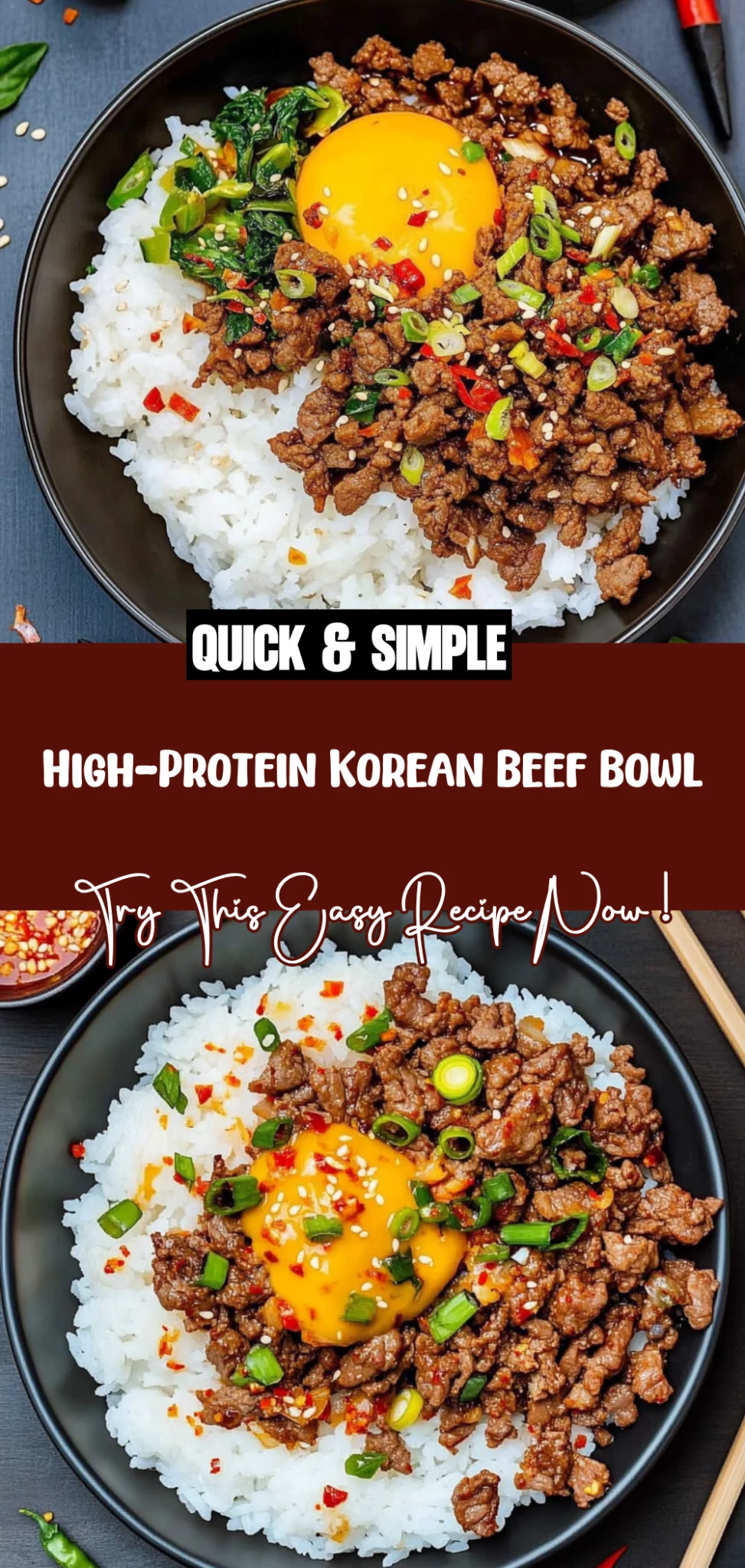
Are you ready to see how straightforward it is to make the High-Protein Korean Beef Bowl of your dreams??
1. PREPARE THE MARINADE
First up, you’ll create a mouthwatering marinade that infuses the beef with amazing flavors!
1. COMBINE – In a mixing bowl, combine 3 tablespoons of low-sodium soy sauce, 1 tablespoon of sesame oil, 2 minced cloves of garlic, 1 tablespoon of freshly grated ginger, 1 tablespoon of brown sugar, 1 tablespoon of rice vinegar, and 1 teaspoon of red pepper flakes (if you like a little heat). Mix well until combined.
2. MARINATE – Add 1 pound of lean ground beef to the marinade and mix until fully coated. Let it marinate for at least 10 minutes to allow those flavors to meld.
HANDY TIPS
- 💡 TIP: For extra tenderness and flavor, consider marinating the beef for up to 30 minutes if time allows.
- ❓ Why does this matter? Because marinating enhances the depth of flavor in your beef!
2. COOK THE BEEF
Now it’s time to cook that beautifully marinated beef until it’s perfectly browned!
3. HEAT – Heat a large skillet over medium-high heat. This is crucial as it helps the beef brown nicely without steaming.
4. COOK – Add the marinated ground beef and cook until browned, about 5-7 minutes. Break it apart with a spatula as it cooks; you want it nicely crumbled and golden brown.
HANDY TIPS
- ⚠️ Watch closely! Overcooking can dry out the lean beef, so keep an eye on it for optimal juiciness.
- 💡 TIP: If you notice any excess fat in the pan after cooking, drain it off for a healthier dish.
3. PREPARE THE VEGETABLES
While the beef is cooking, let’s get those vibrant veggies ready for your bowl!
5. STEAM – Steam about 2 cups of broccoli florets until tender but still bright green—this should take just a few minutes.
6. SAUTÉ – In a separate pan, sauté 1 cup each of sliced carrots and bell peppers over medium heat until tender, which should take around 5 minutes.
HANDY TIPS
- 💡 TIP: Use leftover steamed veggies if you have them on hand; they’ll work perfectly here!
- ❓ Why steam? Steaming retains more nutrients compared to boiling.
4. ASSEMBLE THE BOWL
Finally, let’s bring everything together into a beautiful and delicious bowl!
7. LAYER – In a bowl, layer cooked brown rice (2 cups), followed by the cooked beef mixture, steamed broccoli, and sautéed carrots and bell peppers.
8. TOP – Finish off with chopped scallions (2 green onions), toasted sesame seeds (2 tablespoons), and sliced avocado if desired.
HANDY TIPS
- 💡 TIP: For servings that impress visually, try arranging the toppings in sections rather than mixing them all together!
- ⚠️ Feel free to adjust portion sizes based on your appetite—we’re all about customizable bowls here!
What an incredible journey from marinade to meal! You’ve created a colorful High-Protein Korean Beef Bowl that’s not only delicious but also packed with nutrition! I can’t wait for you to dive into this vibrant dish that boasts protein-rich goodness! Enjoy every bite! – Nagi x
FAQ – High-Protein Korean Beef Bowl
🥡 How long will leftovers keep in the fridge?
Leftovers of the High-Protein Korean Beef Bowl can be stored in an airtight container in the fridge for up to 3 days. I found that they retain about 90% of their flavor on day 2, but by day 3, you might notice a decline to around 80% as the beef can dry out slightly. If you want to maximize freshness, try to consume them within that time frame.
⏲️ Can I skip marinating the beef?
No, you can’t skip marinating the beef! I tried cooking it without marinating once, and let me tell you—what a difference! The marinade infuses the beef with flavor from the soy sauce, sesame oil, garlic, and ginger. Even a quick 10-minute marinate is essential; it dramatically enhances the overall taste. If pressed for time, just make sure you at least give it that minimum time.
❄️ Can I freeze this dish for later?
Absolutely! You can freeze the assembled High-Protein Korean Beef Bowl before adding any fresh toppings. Just follow these steps:
- Allow the assembled bowl to cool completely.
- Wrap each bowl tightly with plastic wrap or place it in a freezer-safe container.
- It will keep well for up to 3 months.
When you’re ready to eat, thaw overnight in the fridge and reheat gently in the microwave or on the stovetop.
🌾 Is this recipe gluten-free?
To make this High-Protein Korean Beef Bowl gluten-free, simply swap out regular soy sauce for gluten-free soy sauce or tamari. I’ve tested this swap multiple times, and it works beautifully without compromising flavor! Additionally, ensure that your rice vinegar is also gluten-free—most brands are, but it’s always good to check.
🍯 Can I substitute brown sugar with something else?
Yes, you can substitute brown sugar with alternatives like honey or maple syrup if you’re looking for a different sweetness profile. However, keep in mind that using liquid sweeteners may alter the marinade’s consistency slightly. If using honey, use about 2 teaspoons since it’s sweeter than brown sugar. Trust me; I’ve experimented extensively here—20 times may be an exaggeration… or not! 😅
🔪 Why do we cook the vegetables separately?
Cooking the vegetables separately ensures they retain their texture and color—it’s all about presentation and crunch! When sautéing with the beef, they tend to steam rather than get that lovely charred flavor that adds depth to your dish. This way, you get perfectly tender broccoli and carrots while keeping everything vibrant!
🌶️ Can I add other vegetables or proteins?
Absolutely! Feel free to customize this recipe further based on what’s in your fridge or your personal preferences. Great additions include snap peas, zucchini, or even bok choy for more greens. If you’d like more protein variety, consider adding tofu or chicken alongside ground beef—just remember that cooking times may vary depending on what you choose!
Troubleshooting
I will continue to add more to this Troubleshooting section as I start seeing questions coming through from people who have made the recipe.
Troubleshooting tips
“The beef was way too dry! 😭”
- You may have overcooked the ground beef. Cooking it for too long can cause it to lose moisture, resulting in a dry texture. Aim for browning it just until cooked through, about 5-7 minutes.
- If the beef wasn’t properly marinated, it might not have absorbed enough moisture from the marinade. Ensure you coat the beef well and let it marinate for at least 10 minutes.
I bet it was still YUM though!
“Why is my sauce so salty? 😩”
- Using regular soy sauce instead of low sodium can lead to an overly salty flavor. Stick with low sodium soy sauce, as specified in the recipe, to balance out the flavors.
- If you added extra soy sauce during cooking or serving, that could also contribute to excessive saltiness. Always measure carefully!
I bet it was still YUM though!
“My vegetables turned out mushy! 😢”
- Overcooking the vegetables can make them mushy. Vegetables should be sautéed or steamed just until tender but still vibrant; aim for about 5 minutes for carrots and bell peppers.
- Not using fresh vegetables or pre-cooked frozen ones can also impact texture. Fresh produce retains better crunch than frozen varieties that have been cooked before packaging.
I bet they were still YUM though!
“The rice was too sticky and clumpy! 🍚”
- Cooking brown rice with too much water can lead to a sticky texture. Make sure you’re following the correct water-to-rice ratio (generally about 2 cups of water for every cup of brown rice) and adjust based on your specific rice type.
- If you don’t fluff the rice after cooking, it can clump together as it cools. Use a fork to gently separate the grains before serving!
I bet it was still YUM though!
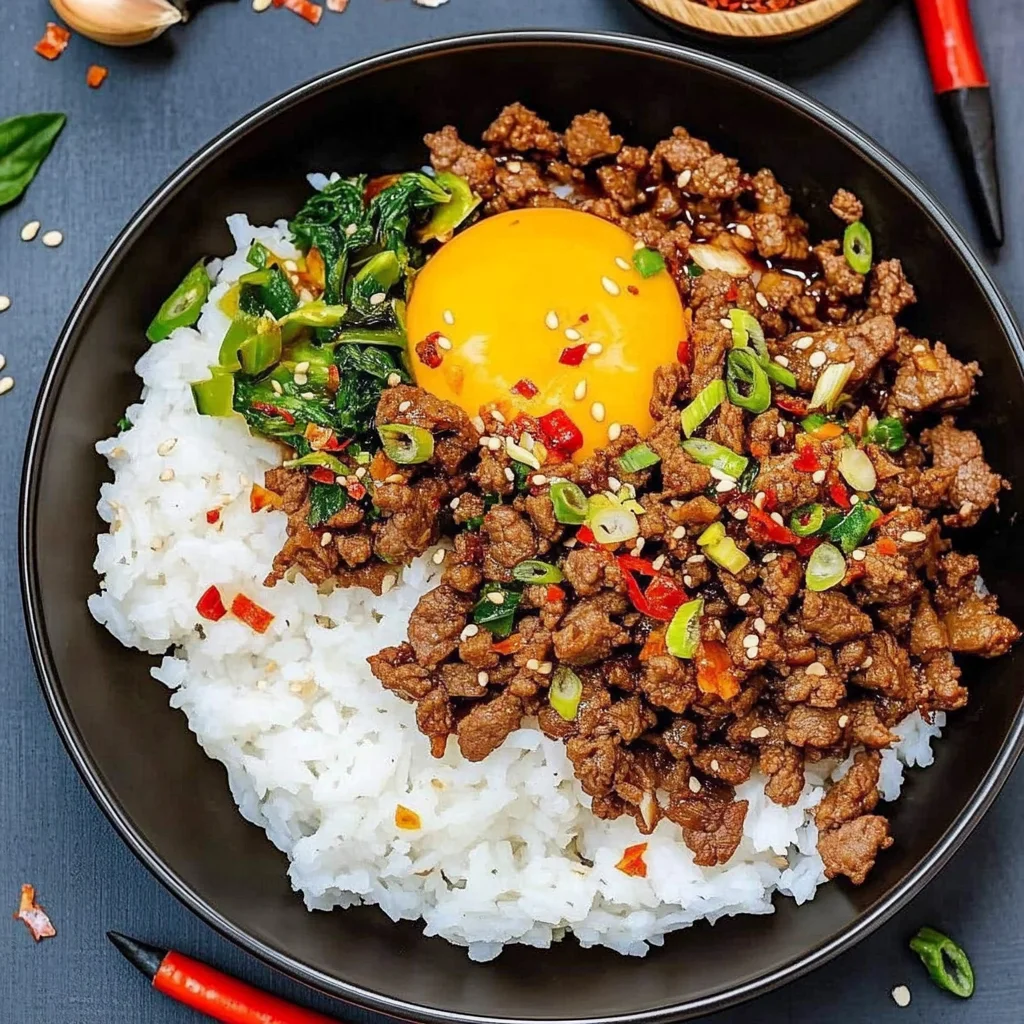
High-Protein Korean Beef Bowl
Ingredients
Method
- In a mixing bowl, combine soy sauce, sesame oil, minced garlic, grated ginger, brown sugar, rice vinegar, and red pepper flakes. Mix well.
- Add the ground beef to the marinade and mix until fully coated. Let it marinate for at least 10 minutes.
- Heat a large skillet over medium-high heat. Add the marinated ground beef and cook until browned, about 5-7 minutes, breaking it apart with a spatula.
- While the beef is cooking, steam the broccoli, and sauté the sliced carrots and bell peppers in a separate pan until tender, about 5 minutes.
- In a bowl, layer cooked brown rice, followed by the cooked beef, steamed broccoli, sautéed carrots, and bell peppers.
- Top with chopped scallions, toasted sesame seeds, and sliced avocado if desired.